

Architects are often taught in specific styles that are reflected in their work. But with most of our structures influenced by pre-existing designs, engineers are now asking what would happen if we could create designs completely independent of any references and preconceptions. Algorithm-based architecture, the use of computer programs to[Read More…]
Science & Technology
The latest in science and technology.

This Week in Research
Compiled by Caity Hui Artificial Obesity New evidence suggests that diet soft drinks and other artificially sweetened products may induce weight gain, as well as increasing our risk for Type 2 diabetes. According to former McGill researcher Dana Small, sugar substitutes, like aspartame and sucralose, taste more intensely sweet than[Read More…]

Prescription addiction: Canada’s growing drug problem
There’s a drug problem in Canada. Part of it involves the recreational misuse of drugs, but another large aspect stems from drugs that doctors prescribe as treatment. Utilizing drugs for their unintended purposes cause deaths and health consequences throughout the country. Termed “off-label” prescriptions, a study from McGill released last[Read More…]
How does the internet work?
The internet, a network of networks, is often thought to have an ethereal existence—an illusive virtual web that somehow enables a message to travel from your McGill email to an account in London, or a tweet to circulate around the globe. What is surprising, however, is the tangible basis of[Read More…]

Extreme, observable physics
In honour of “Women’s Month,” the Tribune is profiling different female researchers at McGill, and the story behind their work. Imagine walking into a classroom filled entirely with people of the opposite gender. McGill Physics Professor Dr. Victoria Kaspi remembers her shock at the overwhelmingly male cohort during her[Read More…]
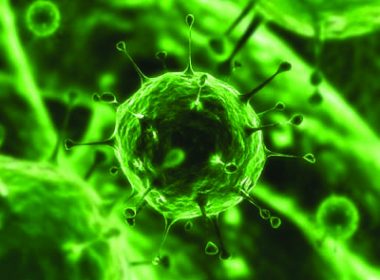
Viruses develop a life of their own
Researchers have hotly debated the topic of viral classification for the past several decades. While scientists are still undecided as to whether or not viruses should be considered “living,” it is clear that these organisms do not meet the classical definition of life—maintenance of homeostasis, cellular organization, metabolism, growth, adaptation,[Read More…]

Demystifying the Mathematician
In honour of “Women’s Month.” Each week , in March, the Tribune is profiling different female researchers at McGill, and the story behind their work.
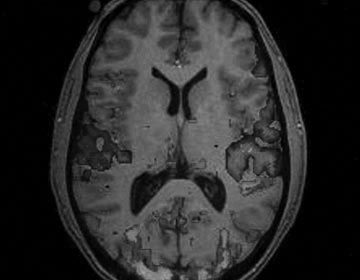
Neuroimaging allows scientists to see thoughts
Scientists are getting closer to something mothers have been doing for years: knowing what we’re thinking. The development of neuroimaging technology—various techniques used to directly and indirectly image the brain—has shifted our understanding of how the brain works. Recently, two studies utilized technology to visualize brain activity associated with the[Read More…]

App Reviews
With finals less than a month away, the Tribune has reviewed three productivity apps to help keep you on top of your work.
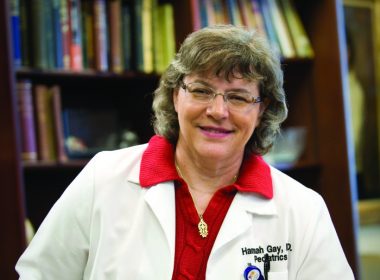
Exceptions to the epidemic?
Over the last 30 years, science has seen many breakthroughs with respect to AIDS caused by the human immunodeficiency virus (HIV). Affecting over 34 million people worldwide, billions of dollars have been donated to finding a cure for this disease. However, as of 2013, there is still no cure for[Read More…]