
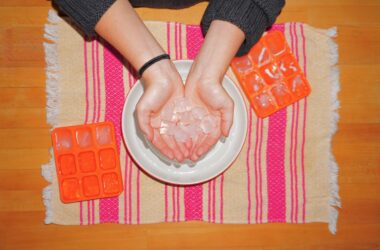
The subjective experience of pain varies drastically between people, but subjective measures of pain correlation provide an important understanding of its underlying mechanisms. Emerging literature on pain points to a relationship between muscle sympathetic nerve activity (MSNA)—a measure of how active the sympathetic nervous system is while signalling blood vessels[Read More…]
Research Briefs
Trust your gut: How your gut microbiota uses the foods you eat to prevent disease
Hidden deep within the human digestive tract lies a dynamic and complex population: The gut microbiota, a community of over 100 trillion microbial cells that influence the body far beyond digestion. Consisting of bacteria, viruses, eukaryotes, and archaea, a diverse microbiota has been shown to have many beneficial health effects,[Read More…]
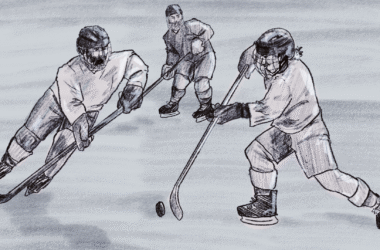
Stop-and-go: How male and female hockey players move differently
Hockey is a key component of Canadian culture, as it is our national sport and a great source of joy and pride. Whether played competitively, in gym class, or just for fun on a frozen lake, hockey unites players across the country. Yet despite its importance to many across various[Read More…]

Designing culturally safe interventions in obstetrics
Sept. 28, 2025, marks five years since the death of Joyce Echaquan, a 37-year-old Atikamekw woman who died of pulmonary edema—fluid accumulation in the lungs—due to medical negligence in a northern Montreal hospital, Centre Hospitalier de Lanaudière. Joyce livestreamed the persistent mistreatment and discrimination she endured while seeking medical attention,[Read More…]
New scoping review maps Indigenous harm reduction, barriers, and gaps
Indigenous Peoples across North America and Oceania experience higher rates of drug-related harm than other populations. These harms are shaped both by the historical and ongoing impacts of settler colonialism. While Indigenous Peoples in these regions are often willing to access health services that reduce the risks of drug use,[Read More…]
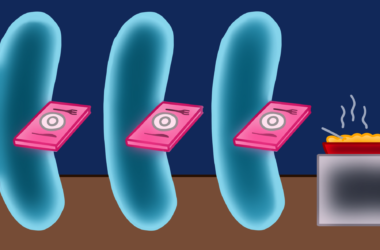
Are deep-ocean microbes waiting for lunch?
The deep ocean—at least 200 metres below sea level—is home to an organic carbon pool comparable in size to the atmospheric carbon reservoir. This carbon pool has remained consistent in size for millennia. If just one per cent of the deep-ocean carbon were released in the atmosphere through microbial respiration,[Read More…]

Investigating the link between sex-dependent gene expressions and major depressive disorder
Why do women experience major depressive disorder (MDD) at nearly twice the rate of men in the post-puberty stage? During this critical stage, MDD manifests in a sex-specific way in its prevalence, symptomatology, and treatment responses when comparing males and females. In a recent publication in Brain, Behaviour, and Immunity,[Read More…]
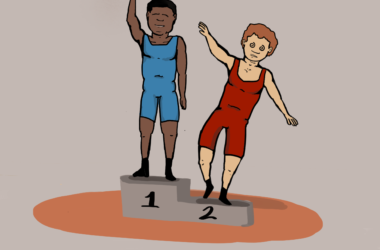
Bad balance? Blame your concussion
Concussions: Either you have had one, or you know someone who has. These injuries are incredibly common—particularly in high-contact sports such as football, hockey, and rugby—and they can leave lasting, debilitating impacts. Yet, despite their dangers, concussions are hard to objectively identify by a third party, making them difficult for[Read More…]
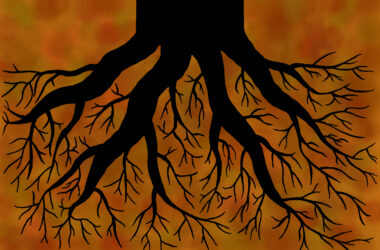
Back to the roots: Investigating how soil influences root traits
Plant roots may be out of sight, but they are not out of mind for McGill researchers. While it is known that fine roots—those less than two mm in diametre—possess highly variable physiological and morphological properties, the reasons behind this variation remain unknown. Caroline Dallstream, a PhD student in McGill’s[Read More…]

Cracking the honesty code: Key techniques for encouraging honesty in children
Honesty is a crucial foundation for relationships and cooperation. In early childhood education, helping children recognize the importance of honesty is fundamental. Victoria Talwar, professor in McGill’s Department of Educational and Counselling Psychology and lab director of the Talwar Child Development Research Lab, recently published a paper in Developmental Psychology[Read More…]