
Latest News

Basketball, Men's Varsity, Sports

McGill men’s basketball rattled by Stingers

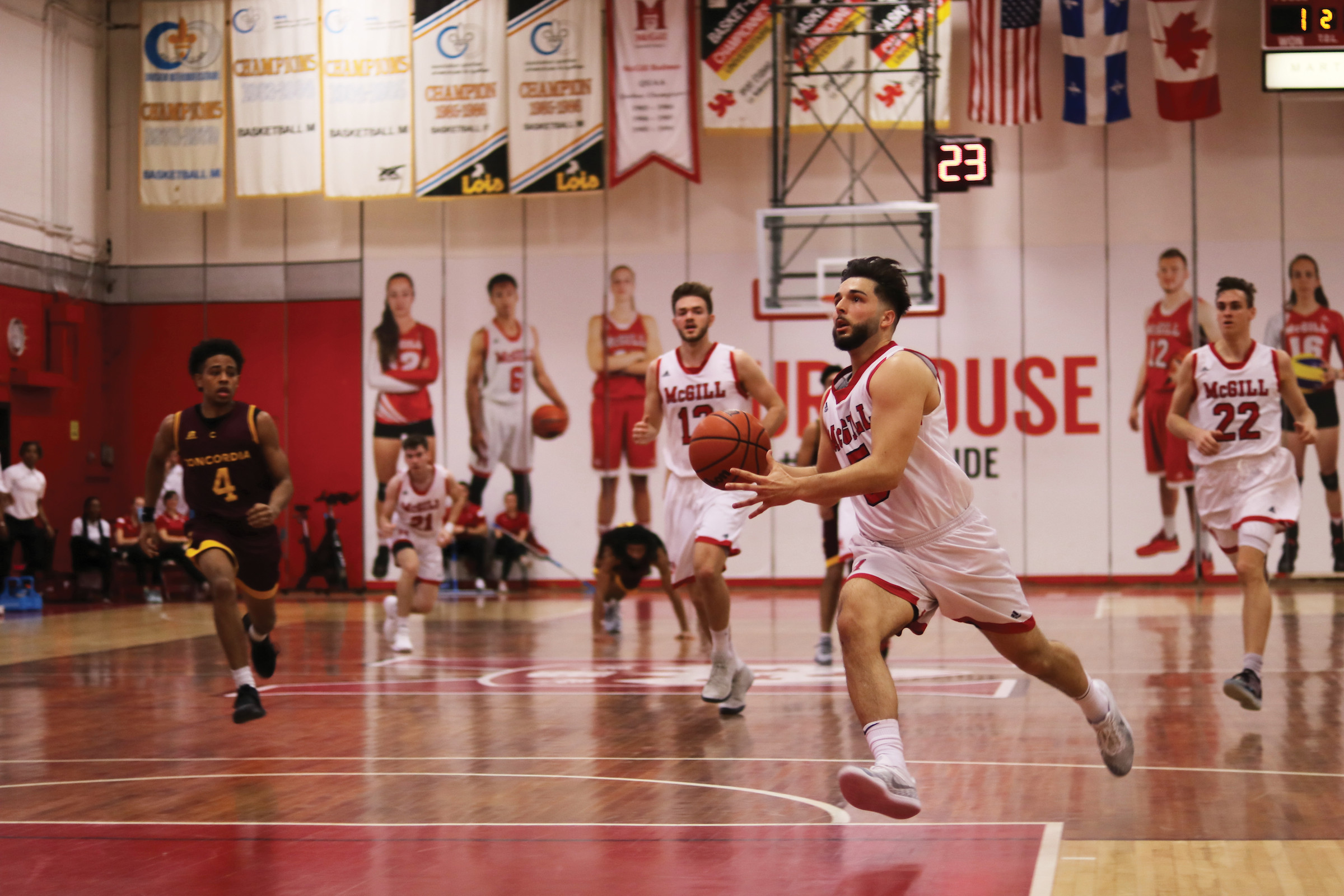
On Nov. 22, the McGill basketball teams hosted their annual Pots and Pans Night. Unfortunately, the raucous crowd went home disappointed, as the McGill men’s basketball team (2-2) could not complete its comeback against the crosstown-rival Concordia Stingers (2-1) and fell by a score of 87-81.

McGill started the first quarter powerfully, and fifth-year point-guard Alex Paquin helped set the tone. He scored McGill’s first seven points and had nine total in the frame. Fifth-year forward Noah Daoust did an excellent job keeping Concordia away from the offensive glass early. On the offensive end, McGill moved the ball efficiently, and threes from third-year forward Edgar Brown and first-year guard Anthony Fisiru helped build a 19-12 lead at the end of the first.

In the second period, both teams’ offences found their grooves. After McGill second-year guard Sam Jenkins converted on a three-point play to stretch the lead to 28-21, Concordia went on a 14-3 run over the next two minutes to take a 35-31 lead. The McGill side, however, battled back to take the halftime lead, 41-40.

Coming out of the gate after halftime, neither team could do anything to stop the other from scoring. It became clear that the first team to find their defence would gain an edge.

“We came out in the second half very slowly,” first-year forward Brennan Laidman said. “We basically just traded baskets the entire time [….] We ended up falling behind and we couldn’t make it all the way back after that.”

At one point, Paquin and Concordia guard Ricardo Monge showed what it meant to trade baskets. First, Paquin converted a rare four-point-play. Then, Monge made a layup through contact and the ensuing free throw. Then, it was Paquin’s turn again: He hit his free throw after being fouled while making a layup to give McGill a 51-48 lead.

The Stingers then started connecting from long-distance more consistently: They went 4-8 from three-point range in the frame and shot 42.3 per cent for the night. As a result, Concordia’s three-point deficit became a 12-point lead by the end of the quarter. The Stingers slowed McGill down and finished the third ahead 70-58.

A quick 6-0 run for McGill to start the fourth quarter cut the Concordia lead in half, but, ultimately, McGill’s lack of execution on the defensive end stopped them from taking home the victory.

“We responded pretty well [at the start of the fourth quarter],” Jenkins said. “Again, we couldn’t get stops. We couldn’t stop the drives, and they were kicking out for easy shots, wide-open.”

With the Concordia lead down to six points and 3:26 remaining in the game, Daoust fouled out. That loss made it more difficult to stop the Concordia offence without a key presence in the post to match up against Stingers centre Olivier Simon, who finished with a game-high 32 points.

The game was not over yet, though: A quick McGill run cut the Stingers lead to three once again. And, with 15 seconds to play, the home team forced a turnover to get one last chance to tie the game. However, Paquin missed his three-point shot, and three Concordia free throws ultimately sealed the Stingers win.

McGill has ten days off to recuperate after the tough loss. They play next on Dec. 1 against the Bishop’s Gaiters (3-1) in Lennoxville, Quebec.

Moment of the Game:

Fifth-year guard Avery Cadogan knocked down a three-point shot to cut the Concordia lead to 72-70, bringing the 546 fans packed into Love Competition Hall to their feet.

Quotable:

“Both coaches went really small. Avery [Cadogan], who’s normally a three [a small forward], was playing centre for us [….] It’s less opportunity for mismatches, it’s harder to get open shots. But on defence, it’s easier for us because we can switch everything, and we can block out.” – McGill guard Sam Jenkins on the last three minutes of the game.

Stat Corner:

McGill’s second and third quarters were poor defensive efforts, as they allowed Concordia to score 58 points combined.

Arts & Entertainment, Film and TV

‘Island of the Hungry Ghosts’ exposes the inhumanity of immigration detention centres

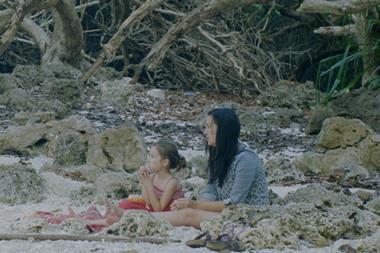
When filmmaker Gabrielle Brady went to Christmas Island, a tiny speck of land in the middle of the Indian Ocean, she was expecting to just relax by the beach. Beyond observing the mass migration of forty million red crabs which scuttle from the depths of the jungle toward the coastline every year to spawn, Brady was not anticipating an eventful trip. Amidst the otherworldly beauty of the island, however, she encountered a dark secret in the middle of its dense, luxuriant jungle: A high-security detention centre for hundreds of migrants seeking asylum in Australia. In Island of the Hungry Ghosts, which won Best Documentary at this year’s Tribeca Film Festival, and was screened Nov. 18 by the Montreal International Documentary Festival (RIDM), Brady weaves together multiple narratives of migration into a single hypnotic portrait of ethical and spiritual conflict.

The film follows Poh Lin Lee, a trauma therapist whose job is to support migrants held at the detention centre as they navigate the immigration process. As they recount why they were forced to flee their homeland, detainees disclose how little their lives have improved since reaching Christmas Island. Relating brutal, zoo-like conditions and forced separations from their families, the migrants must wait indefinitely as their fates lie in the hands of bureaucratic immigration officials indifferent to their cries and concerns. The migrants must cope with both the devastation of leaving their old lives behind and the uncertainty of finding a new one in Australia.

For many detainees, the struggle proves unbearable. In one particularly distressing scene, the camera zooms in on Lee’s tear-soaked face as she learns that some of her patients have harmed themselves, including one man who stitched his lips shut to protest his mistreatment in the detention centre. This incident reportedly inspired 20 other inmates to do the same.

Lee offers suggestions to the authorities on how to better accommodate the refugees, but her advice goes unheeded. When her patients fail to show up to appointments, she inquires about the status of their immigration; however, because of confidentiality laws, she does not receive any tangible answers from authorities. Lee’s sense of despair mounts as she tries to help people who are powerless themselves, their spirit breaking down as months turn into years.

According to local legend, the souls of certain people who perished on Christmas Island are caught in limbo. The miners who once worked in the island’s phosphate mines and died without receiving proper burials are among the spirits doomed to wander the jungle for eternity. The island’s inmates, most of whom are of Chinese, Australian, Malay, English and Indian descent, carry out “hungry ghost” rituals to appease the wandering spirits and help them enter the next realm.

By juxtaposing these narratives with the yearly exodus of the red crabs inching their way across the jungle, Island of the Hungry Ghosts poetically exposes the irony and absurdity of current xenophobic attitudes toward migration and refugees. Park rangers and residents go to great lengths to help crustaceans safely make their way to the ocean and carefully assist ‘hungry ghosts’ in their voyages to the beyond, but fail to provide care to the flesh-and-blood human beings in need.

Complemented by an eerie score and a lush, languid cinematography that captures Christmas Island’s beauty, Brady’s film successfully connects viewers with individuals whose humanity has been violated. Prompting timely discussions about immigration and human rights abuses, Island of the Hungry Ghosts’ haunting beauty and troubling relevance linger.

Science & Technology

Electric impulses help paraplegic patients walk again

Three paraplegic patients with chronic spinal cord injuries are now able to walk again thanks to new Swiss neurotechnology and a multidisciplinary team that includes two McGill graduates.

The STIMO (STImulation Movement Overground) study published in Nature this month, proposed a new technology to accelerate recovery from spinal cord injuries. This new ‘spatiotemporal’ method is a form of electrical epidural stimulation (EES) which stimulates the area of the spinal cord that transmits sensory information. What makes it unique is that, unlike the continuous EES methods used in previous studies, its electrical impulses are separated by intervals.

“The novelty about this [study] is that we use an individual, electrical system to stimulate the dorsal root ganglion [which is located at the spinal cord] to stimulate a group of muscles in the leg,” Molywan Vat, co-author of the study and McGill MSN ‘13, said.

The STIMO study was conducted at Lausanne University Hospital. As a clinical trial coordinator, Vat has been responsible for organizing and screening patients for the past two years. So far, he has selected three male patients to participate in the study, ranging in age from 28 to 48 years old. All were chronically paraplegic, meaning their legs and lower body were partially or completely paralyzed and had been so for over four years.

The procedure involves implanting an electrode chip into the spinal cord. The chip’s electrical impulses, which can be voice-controlled during rehabilitation, can then target motor neurons that pass information from the spinal cord to muscles associated with walking activity. Patients used the chip in physiotherapy which resulted in immediate voluntary control of walking. Over the course of a few months, all three patients were able to walk or cycle outside with the help of a body weight system or walker.

Before EES, activity-based physiotherapy was used to rehabilitate paraplegic patients, through reorganizing neuronal pathways and speeding up recovery. Activity-based programs rely on assisted exercises that, when repeated, activate muscles and re-establish nerve patterns. But, these methods alone are often unsuccessful for patients who are unable to move voluntarily.

Valentin Radevich, McGill MSc ‘17, joined the STIMO project two months ago and worked as one of the four physiotherapists actively rehabilitating the patients.

“You want to push the patient to be as good as they can be, but there are always limits,” Radevich said. “With the STIMO project, you’re stimulating the spinal cord, so you have a little bit more sensation, a little bit more strength. In simple words, you’re reconnecting a few fibres that were broken.”

Engineers, neuroscientists, radiologists, nurses, and physiotherapists were all on the team, fostering a diversity of ideas and opportunities for collaboration. For Vat, the size of the project presented a challenge in the form of coordinating many different schedules and filling out large amounts of paperwork, all while ensuring patient safety throughout the clinical trial. He found his experience working on the project to be very rewarding.

The STIMO project targeted patients who have been affected by paraplegia for a long time, but the next step is to develop a device for patients who have recently experienced spinal cord injuries. The researchers also hope to apply this study to the wider population of paraplegics, which would involve developing a more adaptable device.

With the possibility of extending the project to more patients, the future of spinal cord injury rehabilitation seems bright. But, for now, Vat and Radevich are focused on the present and on the recovery of each individual patient in the program.

Chill Thrills, Student Life

The Battle of Waterloo, but with, like, snow

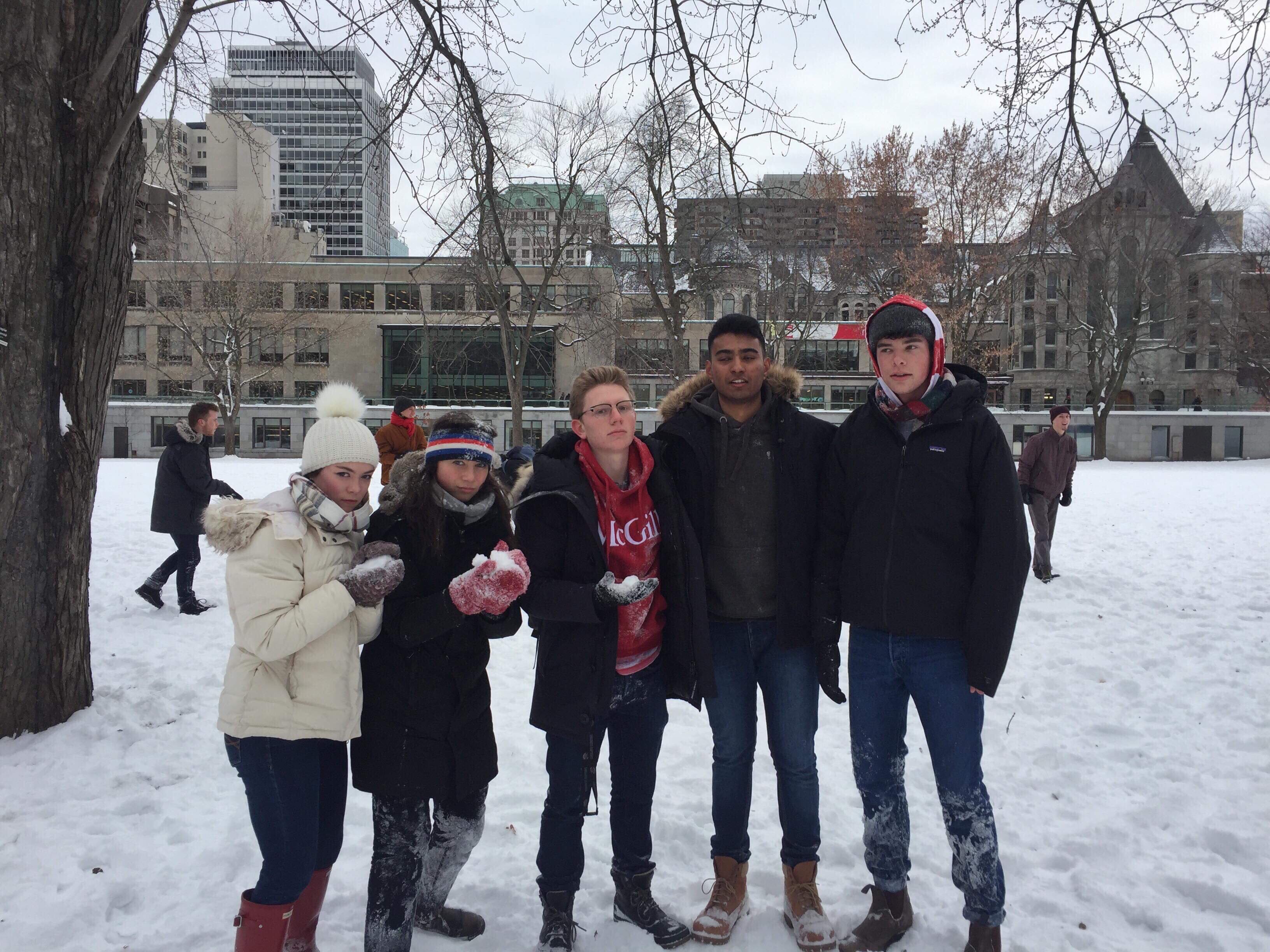
As the clock struck 2 p.m. on Nov. 23, two teams—one representing Great Britain and the other France—battled in a historically-inspired snowball fight on McGill’s Lower Field to commemorate the 203.5-year anniversary of the Battle of Waterloo. The event recreated the classic story of English heroism and French defeat, reenacted with students’ preferred weaponry: Snow. At a university with significant anglophone and francophone populations, the historical battle seemed all too appropriate.

Colin Jacobs, U2 Arts, started organizing the event a week prior to the showdown, advertising the snowball fight on Facebook as “The Battle of Waterloo but with, like, snow.” Jacobs explained that he wanted to stage a snowball fight and give it an amusing title to attract people to the seemingly-absurd event.

“I wanted to throw a snowball fight,” Jacobs said. “I figured that the Battle of Waterloo was easy enough to divide up by sides, so it would be fun.”

Jacobs denies a direct connection to the historical event, but stated rather that it was chosen as a theme for the afternoon. His purpose for organizing the event was to provide a ridiculous premise to get people together and have fun.

Participants from Great Britain and France were given the first choice to fight for their countries of origin. In keeping with the event’s farcical tone, those remaining were allocated to teams based on their star signs.

Initially, Jacobs did not know if anyone would turn up to the event. Although over 400 people expressed interest on the event’s Facebook page, he doubted there would be a significant showing. Despite these fears, 20 supporters showed up to the snowball battle.

For a while, the teams were locked in a stalemate, but after 20 minutes of on-and-off fighting, the British team overwhelmed the French. Perhaps, the historical Battle of Waterloo presaged this victory in which the British vanquished Napoleon’s army.

“It was all because of my brilliant strategizing, or so I’d like to think,” Larissa Godin, U1 Science and British soldier, said.

In the final moments of the snowball fight, the British side overran the French and defeated their leader, Jacobs, by dividing and conquering. When surrounded by the British side, Jacobs retaliated by tackling the French team. Jacobs, who the British team cast as the de-facto Napoleon-figure during the confrontation, argued that it was the cold that brought the battle to an end.

“I figure everyone stopped when it got too cold to continue fighting,” Jacobs said.

Finn McCleary, U1 Arts, also on the British side, recounted the combat.

“It was quite the battle,” McCleary said. “At first we outnumbered the French twofold. But, their reinforcements came. However, we were strategic and knew if we took down Napoleon [Jacobs], the French would fall. So, we took down Napoleon, literally.”

It was a bleak grey day with a chill in the air. The terrain was treacherous with the snow on the ground, making it difficult for the teams to advance. On the French side was Christiane-Marie Cantwell, U1 Arts, who felt that the weather was not optimal. By the conclusion of the event, participants were tired and weary.

“The snow was not ideal, but we made do,” Cantwell said. “We fought long and hard until the […] end.”

Private, Science & Technology

The delicate link between political and environmental climates

On Oct. 28, Jair Bolsonaro won the presidential election with 55 per cent of the popular vote. This result has global implications as the Brazilian political climate has the potential to sway the course of the battle against climate change. Bolsonaro has pledged to support the country’s agricultural sector, putting business ahead of the Amazon rainforest’s biodiversity and forest conservation. His promise threatens Brazil’s ability to meet its greenhouse gas commitments under the Paris Agreement.

Brazil is a crucial player in combatting climate change. Stretching across 2.7 million square miles, the Amazon acts as a giant sink for carbon dioxide emissions produced worldwide. Bolsonaro has dismissed the idea of setting forest land aside for indigenous groups in Brazil and has promised to repeal laws protecting parts of the Amazon.

Deforestation and forest degradation in tropical countries account for approximately 10 per cent of annual pollution leading to global warming. Global Forest Watch, a research and advocacy group, found that cutting down trees in tropical nations resulted in a gross average of 4.8 gigatons of carbon dioxide every year from 2015 to 2017. This is equivalent to the emissions that come out of the tailpipes of 85 million cars before they breakdown.

“The three main sources of greenhouse gas emissions are use of fossil fuel, production of cement, and deforestation,” Catherine Potvin, professor in McGill’s Department of Biology and Canada Research Chair in Climate Change Mitigation and Tropical Forest, said. “This is because the trunk of a tree is made up of 50 per cent carbon. In much of the tropics, when they deforest, they don’t deforest to produce timber, but to clear land for agriculture. Thus, they cut and burn the trees. Burning forest that is cut immediately releases CO2 which is stored in the trunks of those trees.”

In 2005, deforestation accounted for 20 per cent of global emissions in the Amazon. While this figure has decreased to 10 per cent, it is still significant on a global scale.

“All issues of climate change and global warming are felt everywhere on the planet,” Potvin said. “It doesn’t matter where emissions occur, CO2 is very mobile [and] a release in CO2 where it occurs it ends up all over the atmosphere.”

Biodiversity is at risk, too. The Amazon is both the largest and most diverse rainforest in the world. If deforestation increases, it will continue to fracture the Amazon’s fragile ecosystem that is home to many endangered species.

However, Brazil is far from being the only culprit. Potvin reminded Western countries to look to their own sustainability efforts before shaming Brazil.


“Brazil has been one of the lead[ing] countries in the world against climate change in the last 15 years, far better than the US and Canada,” Potvin said. “The country has been able to reduce emissions from deforestation 70 per cent over the last decade. The world would be grateful if we could do that with the oil sands.”

Under Bolsonaro, the deforestation rate is expected to rise, affecting the whole planet. However, the US and China’s contributions to global CO2 emissions, 26.8 per cent and 14.4 per cent, respectively, are also notable.

“We must not distort the truth to make [ourselves] feel better and ignore [the reality],” Potvin said.

Science & Technology

The tuberculosis inequities of the Inuit peoples

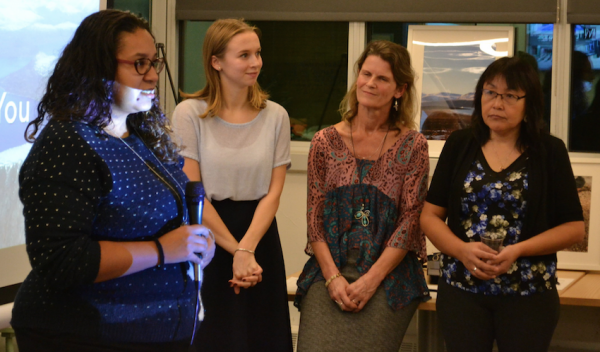
The See Change Initiative collaborated with the Ilisaqsivik Society to host ‘Tackling TB in Nunavut: A Night of Photos and Stories’, a panel and silent auction on Nov. 8. The event aimed to raise money and awareness for the ongoing problem of tuberculosis (TB) among the Inuit people in northern Canada. The initiative, a non-profit organization, is dedicated to eradicating the health disparities that exist between Inuit and non-indigenous people: In addition to other health concerns, TB rates among Inuit are 300 times higher than those of non-indigenous Canadians.

Rachel Kiddell-Monroe, professor of practice at McGill and executive director of the See Change Initiative, described how the organization began.

“As Canadians, we could not simply sit at home and do nothing while a crisis of this magnitude was happening,” Monroe said.

With the help of Stephen Lewis, a Canadian politician, diplomat, and advocate for those affected by the TB crisis in Nunavut, the project began. The initiative uses the funds it raises to support training and workshops for groups up north, ensuring an Inuit-specific team and community-based model for health care delivery.

As an Inuit, Tina Pisuktie, corporate secretary for the Southern Quebec Inuit Association, expressed enthusiasm at finally having the opportunity to make decisions for themselves.

“It’s empowering to have the freedom and the ability to take on our own approaches,” Pisuktie said. “We’re so used to people coming in and telling us ‘do this, do that.’”

The panel incorporated a series of video interviews from members of the Ilisaqsivik Society detailing how the See Change Initiative operates. Additionally, the discussion featured heartbreaking testimonies from Inuit people affected by TB as well as the greater health problems up north.

Seeing a mother talk about her son’s unending battle with the treatable disease brings to light the realities Inuit people have been facing since the TB epidemic began over 150 years ago.

The TB epidemic is just the tip of the historical iceberg influencing the current inequities faced by Inuit people in Canada. According to Pisuktie, the Inuit were still a nomadic people as recently as two generations ago when the Canadian government mass-slaughtered their sled dogs, thereby eliminating a primary form of transport and forcing them into a sedentary lifestyle. Mobility restriction was a common tactic. In Aug. 1983, 87 Inuit were forcibly relocated to the High Arctic. Families were taken to barren conditions and separated from each other into three locations.

Though they were told that they would be allowed to return home after two years, the promise was not honoured. While the Canadian federal government claims that this was done in good faith, many saw the displacement as evidence of the families being used as human flagpoles to assert Canada’s dominance of the Far North during the height of the Cold War.

Colonialism left a deep cut in the history of the Inuit, and it is crucial to acknowledge both the historical context and current situations they face in the northern parts of Canada. Through projects like the See Change Initiative, Canadians can begin work on undoing wrongs and move toward a future not only of recognition but of equitable treatment of Inuit throughout the nation.

Arts & Entertainment, Theatre

‘The Tashme Project’ combines personal discovery and public atrocity

The internment of Japanese Canadians during the Second World War was a shameful moment in history and one high school curricula often sideline. The Tashme Project: The Living Archives, which showed at the Centaur Nov. 15-24, brought the history of internment to the forefront. Created and performed by Julie Tamiko Manning and Matt Miwa, the production is both a reconciliatory effort of two individuals trying to reconnect with their family’s past, as well as a project meant to educate Canadians about the attempted expulsion of the Japanese community.

The Tashme Project is a verbatim theatre piece consisting of episodic scenes based on historical anecdotes. The play explores the lives of the generation of Japanese immigrants who lived in Tashme, the largest internment camp in Canada. Inspired by the disconnection that both Miwa and Manning felt from their respective family histories, the two uncover their stories as the play progresses. The anecdotes come from the leads’ relatives and acquaintances, and Miwa and Manning take on the voice and mannerisms of the individual whose stories they share. As the narrative advances, the actors immerse the audience in the experiences of families wrongfully displaced, isolated, and forced into various internment camps.

The play’s believability rests on the performers’ abilities to authentically embody the voices of a generation several times separated. Manning particularly excels in bringing a multitude of distinct ancestries to life. Through changes to her inflection and gait, she individualizes the plight of a group wrongfully judged as a homogenous whole. Meanwhile, Miwa, who doesn’t quite reach the chameleonic realism of his co-star, excels in his displays of emotional intensity. He conveys a complete affective spectrum. In one instance, he expresses the chaotic combination of an elder’s anger and sadness that emerges out of the violence of segregation. In another scene, he portrays a child’s innocent optimism amidst an increasingly hopeless environment. The actors never veer into territory of appropriation; their combined efforts instead give the effect of a live audiovisual transcription. They breathe life into the voices of a generation previously shrouded in silence.

The set design acts as a third voice in the portrayal of the trials of the Tashme prisoners. Two boxes containing mementos and heirlooms of the forgotten generation serve as narrative vessels. Every origami crane and handwritten letter is a commitment to reconnection, and each serves as a metaphor for the creators’ mission to resurrect the past. For every anecdote that the cast shares, indices of their relatives and the conditions through which they suffered are projected as photos and video recordings onto the background of the stage. The juxtaposition of re-enactment and historical artifacts allows for the production to spotlight dramatic performance while honouring those from whom it borrows.

As the show came to a close, Manning and Miwa contemplate packing up the family crates, ultimately deciding to leave them open and on display. Careful not to shy away from their educational intention, the post-show featured a discussion period encouraging questions and participation. In the face of a curious and thankful audience, the interactive period is a realization of Miwa and Manning’s goals.


polyamory
Off the Board, Opinion

What my parents’ polyamory taught me

It was a peculiar sequence of events: I remember walking downstairs and seeing my mother lying down with someone else in our living room. I remember my dad coming home from yet another business trip. It had been about two weeks since I’d last seen him. I remember sitting in the kitchen with the first glass of whiskey my father had ever poured me. His suitcase stood by the counter, and the single light above the stove cast harsh shadows across his face. He told me that he and my mom had chosen to be in an open relationship for the last couple of months. I remember deciding not to tell my little brother. It was scary at the time, but, since then, polyamory has taught me about how to love with empathy.

As far as I can tell, every child goes through a frustratingly drawn-out period in which they have developed an understanding of other people’s emotions but aren’t quite empathetic enough to understand how to navigate them. I found out about my parents’ polyamory precisely during that period. I knew that I could hurt my mother by fighting her, by withholding my love, and by making her feel as if she didn’t matter to me. On the other hand, my father’s openness meant that I saw him as a human being for the first time. We had many more stove-lit conversations over glasses of whiskey throughout my teenage years. In that time, he became a person in my eyes, navigating love and life, while my mother became the spectre of instability that I would unfairly reject for years.

As I moved through a typically-tumultuous adolescence, I began to learn more about the people who my parents were romantically engaged with. I met them, spoke with them, and learned from them. I saw how in love my parents were with them, and I began to love them, too. I saw how hard they were fighting, in every way imaginable, to stay together. I slowly began to understand that polyamory was not a betrayal of our family, but a measured response to natural detachment.

My parents’ room was piled high with books outlining the philosophy and strategy of polyamory. They were seeing a therapist who helped them navigate the emotional complexities of their undertaking. They spent hours negotiating the boundaries of their other relationships and trying to balance their commitments with compassion. I started to empathize with both of them and respect their efforts. I saw polyamory as their attempt at maintaining both emotion and rationality in relationships. To succeed as a polyamorist, you have to bring love to every relationship you have, actively fight against tendencies toward competition and jealousy, and acknowledge the complexity inherent in loving someone. Polyamory has taught me lessons about empathetic love that I carry into every relationship I have.

The summer before Grade 12, my parents told me and my brother that they were splitting up. I wasn’t surprised: I could tell the fabric of their relationship was disintegrating. Their divorce was easier because of polyamory; they were better equipped for the transition, and I was better equipped to cope with it. I knew that it was my responsibility to bring love to my relationship with both of them and to acknowledge that their relationship was a complex thing with many facets.

Polyamory may not have saved my parents’ marriage—I’m not even sure it was supposed to—but it didn’t fail us, either. Polyamory isn’t just about romantic relationships, it’s a framework for prioritizing communication and empathy. It introduced me to my parents as human beings. I remember when I realized how much polyamory had truly taught me about empathetic love. My mother had just come home from a trip, and it had been about two weeks since I’d last seen her. I was sitting in the kitchen as it dawned on her that my father had moved out, and that half of what had filled her house for 20 years was gone. I remember seeing her cry, not knowing what to do, and wanting to hug her. She was just a human, navigating love and life.

Soccer, Sports

Women’s soccer growing in Latin America despite lack of investment

Twelve years after they last appeared at the Women’s World Cup, the Argentine national women’s soccer team is back in the competition. It may seem obvious that they are going to the World Cup; after all, this is the same country that produced Messi and Maradona. The women in Argentina, however, are not on an equal playing field, making this comeback an important one.

Before this year, the women’s national team was not allowed to train at the same facilities as the men’s team. Reversing this policy is a step in the right direction, but the conditions are still far from equal. Women on the national team still only earn the equivalent of $8 USD per day, and, in Sept. 2017, the players went on strike because even that small stipend went unpaid. This is far from a livable wage, especially when the players are expected to eat, sleep, and have the equipment needed to perform at a professional level. For comparison, Messi earns $667, 000 per week after signing his latest contract with FC Barcelona in 2017. Because Argentine women do not make a living wage from soccer in their home country, players are forced to either seek professional club opportunities internationally or work other jobs and only train part-time.

Argentina’s qualification for the 2019 World Cup is made even more impressive by the fact that, in 2017, they, along with several other South American women’s national teams, were dropped from the FIFA world rankings and declared ‘inactive’ because they had not played a match, trained together, or hired staff in over 18 months.

Soccer federations around the world are quick to claim that they cannot pay female players as much as their male counterparts because they do not bring in the same revenue. However, this argument does not hold meaningful ground: In the United States, women’s soccer, even with fewer resources invested in teams and development programs, still brings in higher viewer figures than men’s games. The United States may be the exception and not the rule, but it shows that people care about women’s soccer when it begins to receive proper support.  

Furthermore, the women’s game is unlikely to earn profits for their national federations if there is no investment in players and development, as well as promotion and advertisement of matches and merchandise. Fans and sponsors are the main sources of revenue for federations, and no sponsor wants to invest in an event that nobody will watch. Additionally, audiences will avoid games that they deem to be of lesser quality, but players can’t improve if they can’t commit to their training and they have insufficient resources. And, so, the cycle continues. Federations that use this economic argument simply perpetuate a self-fulfilling prophecy. A women’s side that can only afford to train together three times a week on low-quality fields cannot be expected to perform at the same level and attract the same crowds as a professional men’s side that enjoys full-time professional coaching, medical staff, and superior facilities.

Furthermore, soccer federations are meant to be not-for-profit. While they do need money to reinvest and continue to develop the game in their countries, the board members of many federations earn huge, unnecessary salaries. In 2016, FIFA President Gianni Infantino agreed to a salary of $1.53 million—less than half of what former president Sepp Blatter was paid, excluding the $10 million bonuses Blatter received for every World Cup.

Soccer federations around the world have the funds to support women’s teams but appear unwilling to spend it on the female players who work for it. With tickets for Argentina’s World Cup qualification playoff match against Panama selling out in less than 12 hours, hopefully the tides are finally changing for fútbol femenino in Argentina, the rest of Latin America, and the world.

Student Life, Student of the Week

Student of the Week: Hannah Miller

Between Nov. 19 and 23, the McGill Social Work Students’ Association (SWSA) went on strike to protest the faculty’s compulsory internship requirement which students do not receive compensation for. Among the protesters was Hannah Miller, U2 Social Work and the equity coordinator for the SWSA. Though they played a crucial role in the past week on campus, Miller’s activism in the faculty began long before the recent organized protest.  For the last week, Miller has been partaking in teach-outs, blocking access to classes as part of the picket line, and engaging in conversations with faculty administrators. These efforts are meant to encourage the administration to reform the faculty’s curriculum and ensure that student demands are heard.

“Our intention is not to block people from learning or to create a hostile learning environment,” Miller said. “We don’t want to not go to class. We don’t have the option. Certain people can’t afford not getting paid.”

For their internship this year, Miller has worked at Action Santé Travesti(e)s et Transsexuel(le)s du Québec (ASTT(e)Q), which supports trans people around the city through peer support, education, harm reduction, and community empowerment initiatives. Despite the vital work that Miller and their fellow McGill students are providing to the Montreal community, they are often not compensated by their employers.

While many internships in fields such as computer science are paid, internships in the development and care industries, such as education and social work, frequently lack remuneration. Additionally, the labour inequality that McGill’s social work students are aiming to dismantle reflects gendered bias. Female-identifying students who carry out internships are only paid 17 per cent of the time while 45 per cent of their male-identifying counterparts are paid for equal labour.

Additionally, as interns, many of McGill’s social work students take on work positions without access to the insurance or social benefits offered to long-term employees. Miller explained that, in addition to protesting unequal compensation, social work interns are also protesting this discrepancy in provincial labour laws.

“We don’t have any protections,” Miller said. “If you’re facing sexual harassment, if you get pregnant, if you get injured, you have no protection because your labour is not recognized.”

In many ways, Miller prefers working at their internship over attending lectures. At work, Miller is immersed in an inclusive and accepting space—a culture that they do not get to enjoy as often on campus. Miller explained that they feel the faculty’s curriculum is outdated and can make them feel unwelcome.

“[The social work curriculum] lacks intersectionality in all its forms,” Miller said. “[Through] most of the materials and our professors, we learn a very straight, cis-male perspective without recognizing the harm of that [….] There are gender development theorists that say that if you don’t know if you’re male or female at a certain age, there is something developmentally wrong with you. When this is being taught in class, and I’m sitting there, it’s basically telling me there’s something wrong with me.”

After advocating for a more inclusive curriculum, Miller faced resistance from a number of faculty members. Despite this hesitance, Miller feels like it’s the faculty’s responsibility to correct the curriculum’s flaws and to make it more inclusive of current and in upcoming students.

“I feel like if I don’t say something, then nothing will be said, and we don’t have these conversations,” Miller said. “If we want to be effective social workers, we need to be able to have a well-rounded and open understanding of different lived experiences.”

Along with Miller’s full course load, unpaid internship, and many other commitments throughout the school year, they are also a single parent. Hannah prioritizes their child over their grades and other coursework, leaving them with little free time to seek out an alternative source of income. Ultimately, in exchange for the time they have sacrificed for their degree, Miller believes they deserve fair treatment from the university.

“I came into this program, and I knew there was going to be unpaid labour,” Miller said. “I didn’t know how heavy that was going to be on me, both physically and emotionally. My goal for the strike is to have my labour recognized as labour.”

Read the latest issue

Read the latest issue